In recent years, Canada is facing a growing shortage of skilled tradespeople. As baby boomers are exiting the workforce, there is an increasing demand for workers in skilled trades and technologies. For school counsellors and career educators, this presents an opportunity to promote the rewarding careers that are available in the skilled trades and technologies to youth. According to Canada.ca, by 2028, an estimated 700,000 skilled trade workers will retire across Canada. The pressing question is this: how do we motivate today’s youth to choose these careers and see themselves thriving in them?
Breaking the Skilled Trades Stigma
Despite being essential to our global economy and daily life, skilled trades often carry a stigma that undervalues the talent, education, and expertise that is required for these skilled careers. Students are frequently led to believe that these careers are less prestigious than other pathways, when in reality they demand a high level of expertise — from digital and problem-solving skills to numeracy, creativity, and innovation, to name a few. This perception can discourage young people from exploring rewarding skilled trade careers, contributing to labour shortages in vital sectors like construction, manufacturing and engineering, transportation, services, employability and information technology. Challenging the stigma means promoting the apprenticeship pathway and skilled trades as rewarding and respected professions, on par with traditional academic routes, and recognizing the opportunities they provide.
The Benefits of a Skilled Career: Stability, high earning potential, and real-world impact
Skilled trade jobs provide hands-on, practical work that keeps industries—and communities—functioning, while offering job security in a world where many white-collar roles are increasingly automated or outsourced. Beyond stability, these careers often come with competitive salaries, opportunities for entrepreneurship, and clear pathways for advancement through certifications and experience. They also allow individuals to see the tangible results of their work, creating a sense of pride and accomplishment. Embracing skilled trades isn’t just a smart career choice—it’s a way to build a meaningful, respected, and financially rewarding life. Tradespeople are building, fixing, and innovating the world around us allowing us to build a strong national economy.

The Critical Role of the Skills for Success
The nine Skills for Success are more than just a checklist—they are the foundation for thriving in today’s fast-paced, ever-changing world. From communication and problem-solving to adaptability, collaboration, numeracy, reading, writing, digital skills and creativity & innovation, these skills equip individuals to navigate challenges and innovate effectively in any environment. In careers, education, and daily life, mastery of these skills sets people apart, fostering confidence, resilience, and leadership. For students and young professionals, developing these skills early is essential, not just for landing a job, but for building a meaningful, adaptable, and successful life. In short, they are the tools that turn potential into achievement and ambition into impact.
In the skilled trades, success demands the full spectrum of the Skills for Success. These are as critical as hands-on expertise, enabling tradespeople to work safely and efficiently, on complex projects. Employers value individuals who possess these skills. For anyone pursuing a career in trades, mastering these skills is crucial for success.
Guiding the Next Generation: The impact of counsellors
Career counsellors and educators play a pivotal role in reshaping the perception of skilled trades and guiding students toward these high demand, rewarding careers. Too often, trades are dismissed as “second choice” options, leaving students unaware of the opportunities they offer in job security, earning potential, and personal fulfillment. Counsellors can actively challenge this stigma by providing accurate information about skilled trade pathways, highlighting apprenticeship programs, arranging hands-on experiences, and connecting students with mentors and industry professionals who can inspire youth by sharing their journey. By showcasing the value and diversity of these careers, counsellors not only help students make informed decisions but also contribute to addressing critical labour shortages, strengthening communities, and elevating trades as respected, first-choice career options.
From Passion to Profession: Exploring Career Pathways
Skilled trades open doors to exciting, hands-on careers across a range of industries. Love building? Carpentry, welding, plumbing, cabinetmaking, bricklaying, landscape gardening and electrical installations let you create and fix real-world structures. Into machines? Autobody repair, heavy vehicle technology, aerospace technology, and car painting offer great options. Love technology? Try your hand at photography, graphic design technology, web technologies, or cloud computing. Prefer helping people? Cooking, baking, hairstyling, aesthetics and fashion technology turn skills into client-focused creativity. Prefer working with industrial machinery? Try your hand at mobile robotics, industrial mechanics, CNC machining or mechanical engineering CAD.
Skilled trade careers offer variety, stability, and the satisfaction of seeing your work make a difference every day. For more information on over 45 skilled trades and technologies, and how to pursue a career in these sectors, check out www.skillscanada.com.
How Skills/Compétences Canada Shapes Tomorrow’s Skilled Workforce
Since 1989, Skills/Compétences Canada (SCC) has been on a mission to connect Canadian youth with the exciting world of skilled trades and technologies. As a national, not-for-profit organization with Member Organizations in every province and territory, SCC works hand-in-hand with employers, educators, labour groups, and governments to secure Canada’s future workforce while helping young people discover careers that are both rewarding and in high demand.
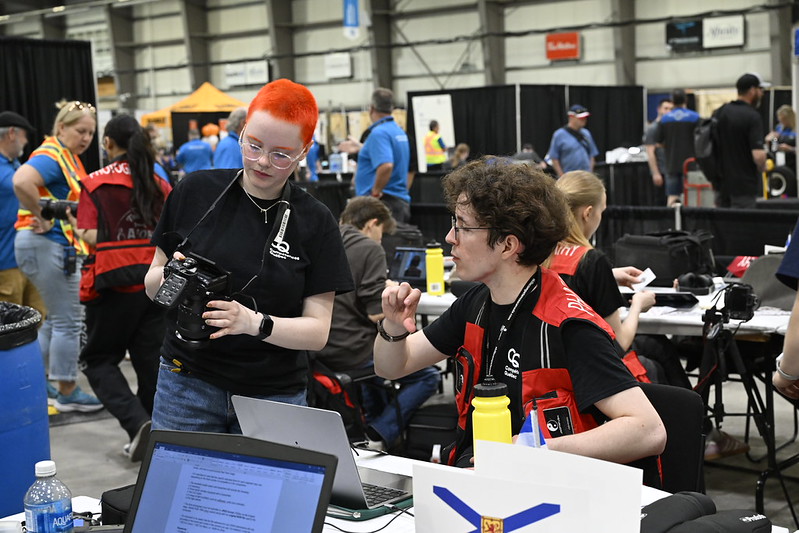
At the heart of SCC’s efforts is the Skills Canada National Competition (SCNC)—the country’s only multi-trade and technology competition for students and apprentices. Each year, more than 550 competitors from across Canada showcase their talents in over 40 competitions, gaining hands-on experience that goes far beyond the classroom. Thousands of students also explore career possibilities through interactive Try-A-Trade® and Technology activities, exhibitor booths, and direct engagement with industry professionals. Every two years, the top Canadian Competitors advance to the WorldSkills Competition—the largest and most influential Skills Competition in the world—vying for the title of world champion in their field. Beyond competitions, SCC and its Member Organizations lead National Skilled Trade and Technology Week, delivering hands-on workshops and activities that expose youth to the incredible variety of careers in trades and technologies. SCC also emphasizes the nine Skills for Success, ensuring students develop the skills that underpin thriving careers in every sector.
“Skilled trade and technology careers are more than jobs—they’re the engine driving innovation and economic growth,” says Shaun Thorson, Chief Executive Officer of Skills/Compétences Canada. “Investing in these fields is investing in Canada’s future. That’s why SCC works tirelessly to inspire youth to explore skilled trade and technology careers, which offer not only rewarding and lucrative opportunities but also the chance to shape the world around them.”
The Bigger Picture
Skilled trades and technologies are the backbone of a resilient, innovative, and inclusive Canada. To thrive in a competitive global economy, we must recognize these careers as essential and empower students with the skills, hands-on experience, and inspiration needed to build a skilled future.